Cambo House & Estate
Cambo Estate lies on the east coast of Fife, 7 miles south of St Andrews. The present day estate, which has been in the Erskine family for over 300 years, dates from the late 18th and early 19th centuries.
The Estate is included in ‘An Inventory of Gardens and Designed Landscapes in Scotland’ as an important example of a picturesque, model estate. The buildings within the landscape include the stables, carriage house, coach house, mausoleum, walled garden, dovecote, lodges and 2 model farms, listed by Historic Environment Scotland.
Cambo Gardens History
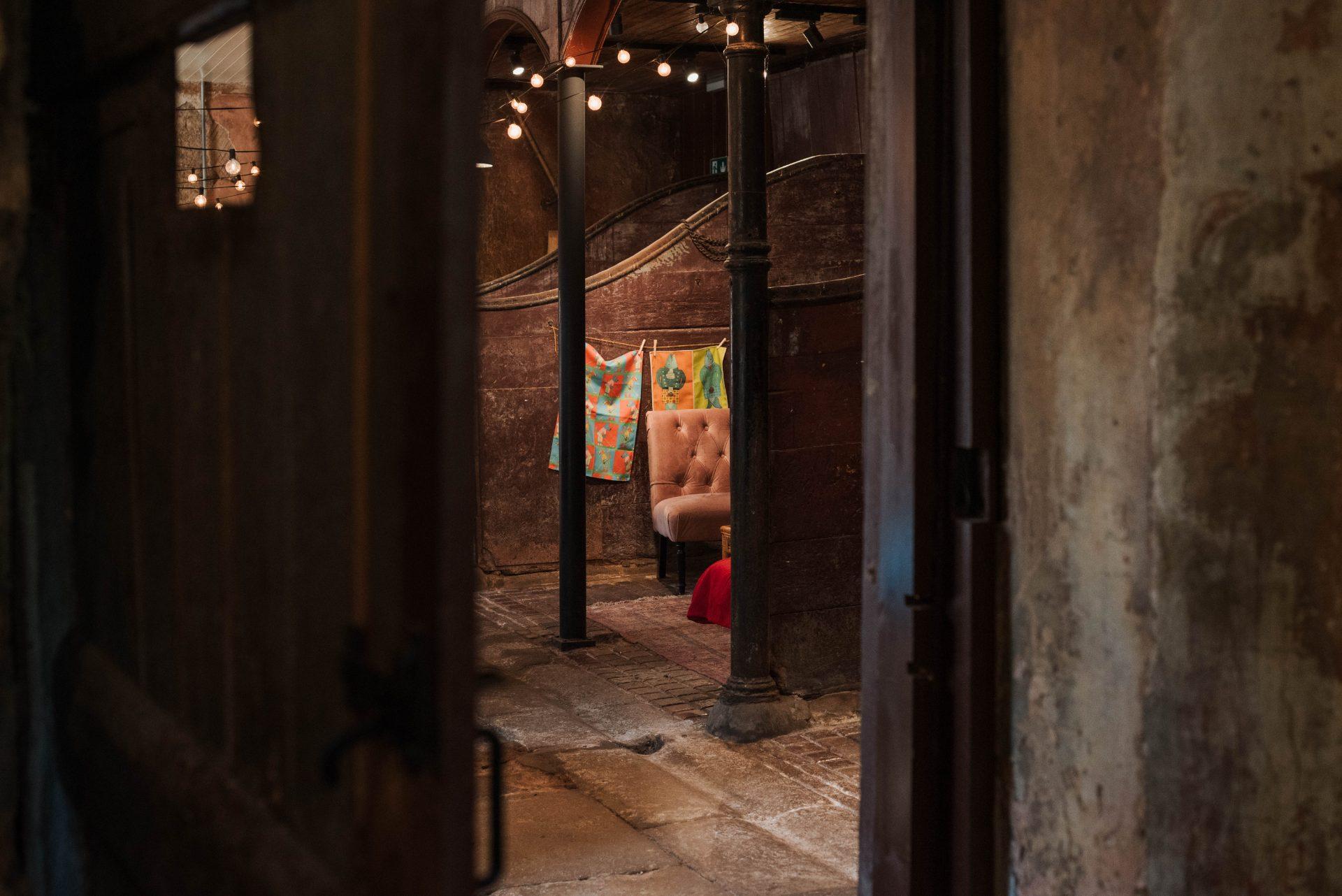
The Stables Visitor Centre opened in October 2017 following a sensitive restoration and redevelopment of Stables dating from the 1760’s. The project was supported by a huge number of funders and donors including Heritage Lottery Fund and Historic Environment Scotland. The Visitor Centre houses a heritage exhibition, the Tack Room Shop selling crafts and gifts by local makers and Cambo grown flowers, plants and produce. Our south carriage house hosts the Cambo Gardens café where we serve seasonal lunches and home baking featuring produce from Cambo Gardens.
The Walled Garden at Cambo is a remarkable 2.5-acre historic feature, believed to have been created around 1800 as part of the transformation of Cambo into a fashionable country estate by Thomas Erskine, the 9th Earl of Kellie. Today, its historic character is complemented by restored glasshouses, heritage planting and ongoing conservation work.
Charity info
Cambo Gardens is home of charity Cambo Heritage Trust (formerly Cambo Institute) was established in 1998 to promote horticulture, education, arts and heritage at Cambo Estate. We are a charity registered in Scotland SC028131 run by an active board of trustees and supported by volunteers and paid staff.
Join us in our mission to be a place where people and plants grow!
Statement of Significance
The stable building at Cambo is one of a number of buildings ancillary to Cambo House that contribute to the collective architectural and historic importance of the policies and estate. The stable is category B-listed and is within the Cambo designed landscape included in the Inventory of Gardens and Designed Landscapes.
The original stable building was designed by George Paterson in the 1760s and the first floor added in 1870; the additional coach houses and the large walled garden which the stables adjoin is attributed to Robert Balfour, circa 1800; the north courtyard and the detached cartshed building known as the Coach House are likely to be early 19th century.
In recent years, since the gardens were opened to the public in 1985, the estate has become a much-loved community asset. Horticultural students appreciate the rare opportunity provided by a heritage garden open to the public which offers extensive learning opportunities. Cambo Gardens has for many years afforded opportunities for volunteers, supported employees and student gardeners and trainees to join in the work in the gardens and woodlands.
Heritage
Why is our heritage important?
The cultural importance of Cambo is nationally recognised by inclusion in the Inventory of Designed Landscapes, and by the B-listed status (more than local importance) of the stables The integrity of the design remains intact and clearly identifiable.
The Inventory states that the site is included because it is a good example of late 18th/early 19th century coastal policies embracing model farms, picturesque estate layout, golf course and gardens of botanical and horticultural interest. Its horticultural significance is rated as Outstanding, and all other categories including Work of Art, Historical, Architectural, Scenic, Nature Conservation and Archaeological are rated as High.
Who is our heritage important to?
The heritage of Cambo is important to historians. It has recently been established from documentary evidence that the Fife born, Edinburgh trained architect Robert Balfour (in conjunction with the local architect/builder, John Corstorphine) was commissioned by the 9th Earl of Kellie to extend Cambo House in 1795. Balfour and Corstorphine may also have designed the stables, dovecote, mausoleum and dairy, and Cambo and East Newhall Farms.
The work at Cambo is Balfour’s earliest identifiable commission in Fife, where he later worked on a number of country houses, but most notably became the principal architect of late Georgian St Andrews, introducing the Edinburgh New Town style to the town and becoming a crucial figure in its early nineteenth century regeneration and development. His parallel career as a timber merchant in St Andrews from the late 18th century is undoubtedly linked to Kellie’s extensive experience as a merchant in Sweden.
Visitors to Cambo often comment that it is like ‘living history’. They relish the heritage, family involvement, and feeling of continuity created by the steady improvements and development over the last 35 years.
We work with groups & organisations including:
- Voluntary groups
Crafty Bairns group, St Andrews University Canoe Club, Kingsbarns Community Council, Kirkcaldy Probus.
- Environmental organisations
Falkland Centre for Stewardship, The Ecology Centre Kinghorn, New Caledonian Woodlands, RHS, MacRobert Trust, Trellis, Fife Coast and Countryside Trust, Forestry Commission, Central Scotland Dry Stone Walling Association, Doors Open Fife, Transition St Andrews, St Andrews Botanic Garden, Royal Botanic Garden Edinburgh.
- Family support organisations
FACTS, Fife young carers, Fife Gingerbread, Teen Parent Support Group, Bi-lingual Families Fife, Homestart, Mellow Parenting Project, Family Learning Roadshow Team, Fife Council Rising Stars project, Sam H.
- Creative groups
Warm Hearts Yoga, Fife Contemporary, St Andrews Voices, East Neuk Open Studios, Tayside Youth Arts, Printroom Dundee.
- Schools and Educational groups
Madras College, Waid Academy, Bellbaxter High School, Flexi-Friday Fife, Largo Ward Primary School, Anstruther Nursery, Kingsbarns Primary School, Pittenweem Nursery School, Rainbow Nursery St Andrews, Crail Nursery School, St Leonards Primary School, Aberhill Primary School, Wilderways Home Education Group, East Neuk Active Schools, Canongate Nursery School, local Job Clubs – First Steps Programme, Accessible Fife.
- Disability advocacy organisations
The Inclusion Group, Rymonth House, Options in Life, Fife Council.
- Mental health /addiction advocacy organisations
Phoenix Futures, Green Buds Dundee, YMCA.
Related navigation available via site search.
Last updated 21 November 2026